A new year brings a fresh batch of recruitment terms and buzzwords that can feel quirky at first glance but often reveal something deeper about the talent landscape. Understanding these phrases helps recruitment teams stay in tune with candidate sentiment and adapt processes before trends turn into problems.
Here are the recruitment and HR terms set to shape conversations in 2026, what they mean and why they matter for your hiring strategy.
Bare minimum Mondays
This playful term captures a cultural shift where employees ease into the week with minimal effort, conserving energy for later. It’s often used jokingly, but it also reflects a broader question about workload, motivation and work-life balance.
What it means for recruiters: Candidates are increasingly sensitive to the rhythm and intensity of their working week. If people are already stretched thin before Monday lunchtime, that’s a sign of unrealistic expectations. Recruitment teams may need to take a closer look at how roles are framed, how workload is balanced and whether messaging accurately reflects the internal environment.

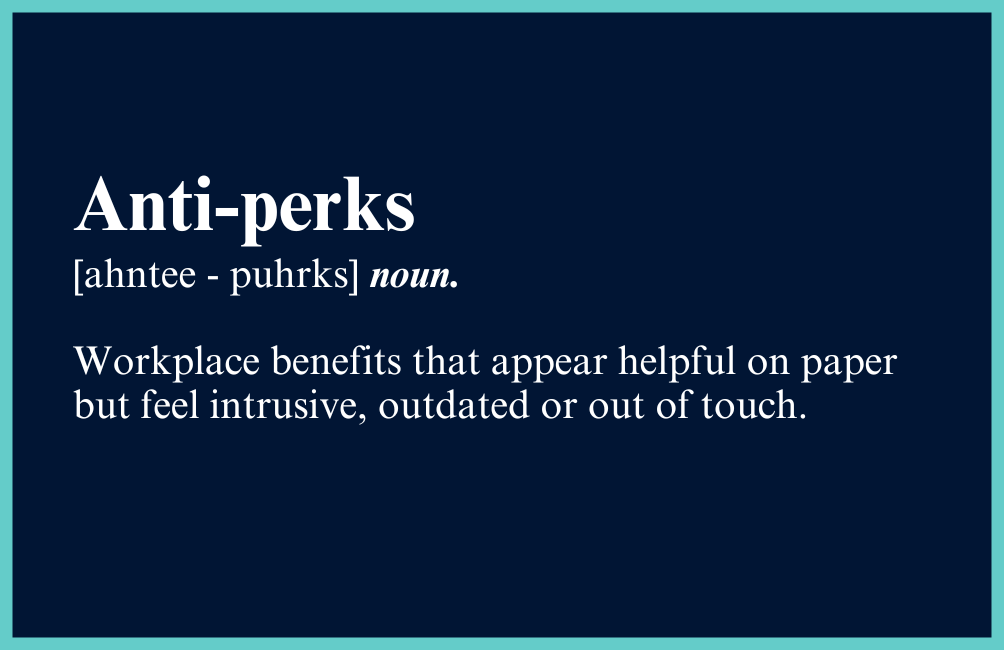
Anti-perks
These are workplace benefits that appear helpful on paper but feel intrusive, outdated or out of touch. Think forced fun, token perks instead of real flexibility or “unlimited holiday” policies that nobody dares to use.
Why it matters: Candidates are more discerning about what actually improves their wellbeing. When we describe benefits through our applicant tracking system, we need to emphasise the ones with real value and reconsider those that no longer resonate. Anti-perks are a warning sign that benefit packages may need a refresh.
Revenge quitting
Unlike quiet quitting, which is passive, revenge quitting is loud and public. Employees announce their departures dramatically, often on social media, sometimes with commentary about their employer.
Why it matters: Employer reputation now lives online, in real time. Recruitment teams need to understand the root causes of these exits. If candidates are turned off by what they see on social platforms, it becomes an employer brand issue long before it becomes a sourcing problem.
Corporate catfishing
This describes organisations that present a glossy image during recruitment that doesn’t hold up once someone joins. It could be a mis-sold culture, unclear career progression or unrealistic job expectations.
Why it matters: Authenticity in job descriptions and hiring conversations has never been more important. Our applicant tracking system helps maintain this consistency, but it’s up to recruiters to ensure the story told externally genuinely reflects internal reality. Misaligned expectations lead to early turnover, damaged trust and costly rehiring cycles.
Quittok
A blend of “quit” and “TikTok”, this refers to the growing genre of social videos documenting resignations, toxic workplaces or “day in the life” stories that challenge traditional employment norms.
Why it matters: Candidates often research brands socially before applying. Trends like Quittok shape perception long before they reach your careers site. Recruitment teams should monitor sentiment and work closely with comms to ensure the company’s online narrative remains balanced and grounded.
Career cushioning
Employees quietly build backup plans, whether by updating CVs, networking or taking on small side projects. It’s not disloyalty; it’s a response to economic uncertainty.
Why it matters: Candidates who practise career cushioning are more selective and may take longer to commit. Pipelines must be nurtured more thoughtfully, and communication needs to feel personal and relevant. If your hiring process stalls or feels impersonal, cushioned candidates may drift away.
New-collar jobs
These roles prioritise skills, practical experience and micro-credentials rather than traditional degrees. They sit between blue-collar and white-collar work and reflect the rise of digital-first roles.
Why it matters: Job descriptions need to evolve. Our applicant tracking system allows teams to tag and shortlist based on skills rather than qualifications, helping you reach broader and more diverse talent pools.
Anti-work signals
A growing cultural conversation driven by people who want more autonomy, purpose and balance. These signals appear in social posts, candidate questions or interview feedback.
Why it matters: Recruitment teams must pay attention to why people are challenging traditional work structures. Addressing these concerns early supports stronger employer branding and ensures job adverts speak to what candidates genuinely value.
AI agents vs agentic AI
AI agents act as assistants, helping with screening, scheduling and drafting. Agentic AI goes a step further, taking autonomous action with minimal human input. The distinction is becoming more important as organisations deploy more advanced tools.
Why it matters: Recruiters need confidence in how their technology works. Automation can create extraordinary efficiencies but must be governed responsibly. Clear oversight protects fairness, consistency and candidate trust.

Ghost posting
This refers to job adverts that remain online even when the role isn’t truly open. Some companies do this to gauge talent availability or build pipelines, but candidates are becoming increasingly aware of it.
Why it matters: Transparency matters. Ghost posting can damage trust and reduce application quality. Teams should be careful to ensure that roles advertised through our ATS are genuine, open and accurately maintained.
Looking ahead to 2026
What’s striking about these terms is how many of them reflect the emotional side of work. People want honesty, balance, clarity and respect. Technology will keep evolving, but the human element remains at the centre of effective recruitment.
By paying attention to the language candidates use, recruitment teams can stay aligned with expectations, adapt processes early and strengthen their position in an increasingly competitive hiring environment.